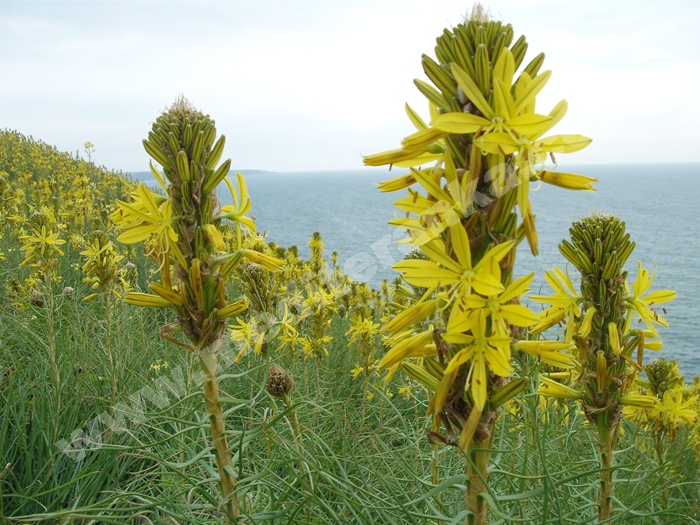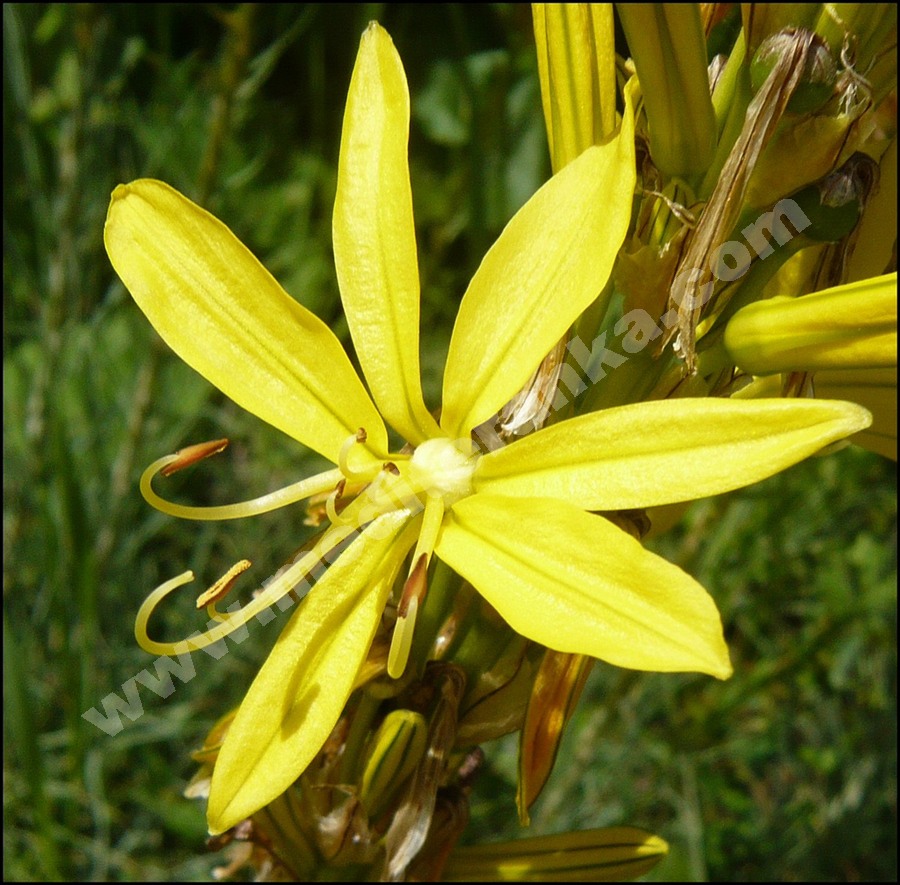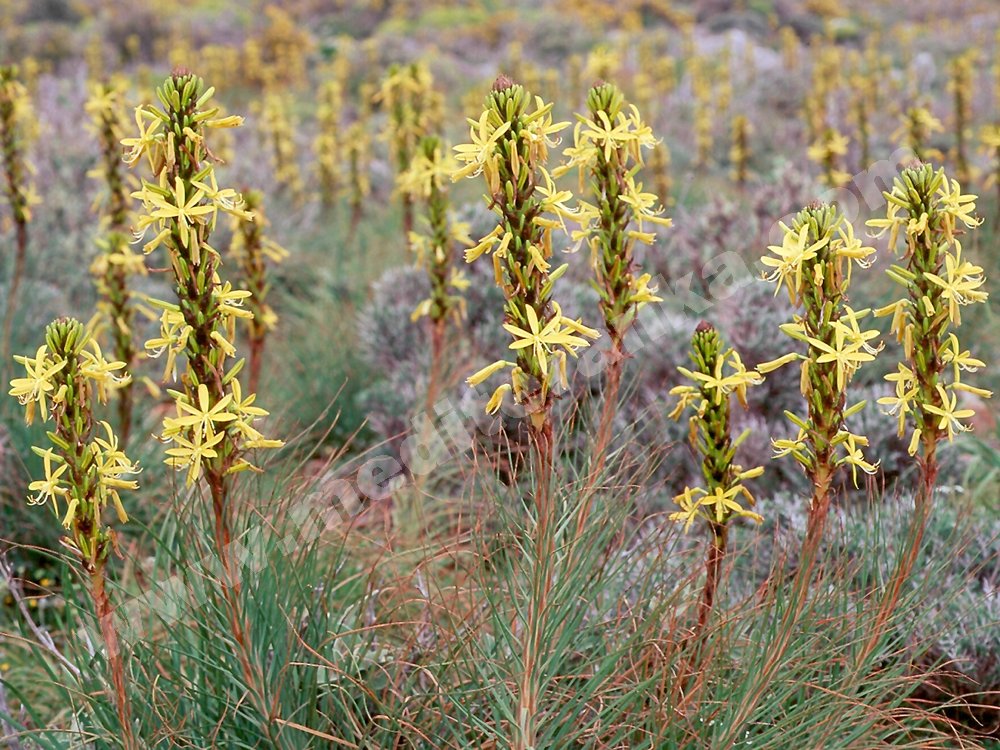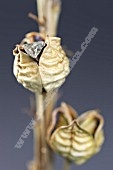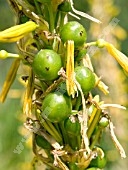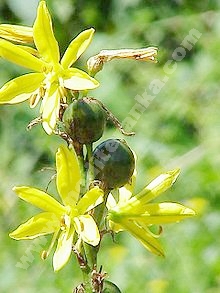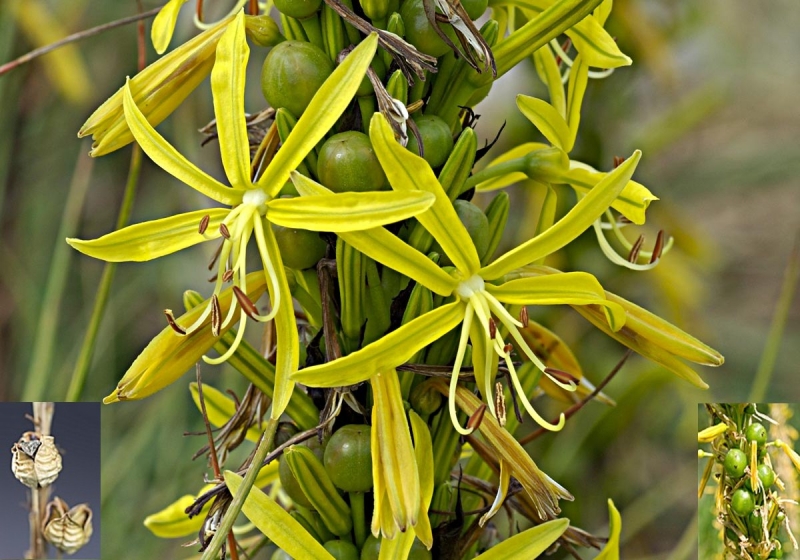
Asphodeline lutea is a perennial growing to 1 m by 1 m. It is in flower from Jun to July, and the seeds ripen from July to September. The flowers are sweetly scented. Plants seem to be immune to the predations of rabbits. The flowers are hermaphrodite (have both male and female organs) and are pollinated by insects. It can grow in semi-shade (light woodland) or no shade. The plant can tolerate maritime exposure.
Root - roasted - this food was highly valued by the ancient Greeks, who roasted the roots like potatoes and ate them with salt and oil or mashed them with figs. The roots are not very thick but are abundantly produced and have a nice nutty flavour. They can be harvested at any time of the year, but are best used when the plant is dormant in late summer and early autumn. They do not store well and should be used within a few weeks of harvest.
Young shoots – cooked, smell less than pleasant whilst cooking but have a fairly bland flavour. Some people find that they have a very pleasant flavour. The plant comes into growth in late summer and the autumn, the young shoots can be harvested in moderation all through the winter.
Flowers – raw have a delightful sweetness, they are a very decorative and tasty addition to the salad bowl but should be used as soon as possible after harvesting because they soon start to decompose. The flowers are very short-lived and are best picked in the late afternoon - thus you can enjoy them visually during the day and gastronomically in the evening.
A. lutea is very ornamental plant, though it looks very untidy in late summer when it dies down after flowering.
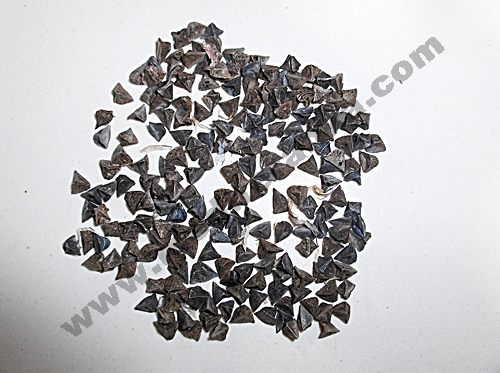
Seed - sow March/April in a greenhouse and only just cover the seed. Germination usually takes place in 1 - 3 months at 15°C. Once the seedlings are large enough to handle, prick them out into individual pots and grow them on in the greenhouse for their first winter. Plant them out into their permanent positions in late spring. Division in spring or autumn, with care since the roots are easily damaged. Ensure each division has at least one growing bud. Large divisions can be planted out straight into their permanent positions, smaller ones are best potted up until they are growing away strongly and can then be panted out.